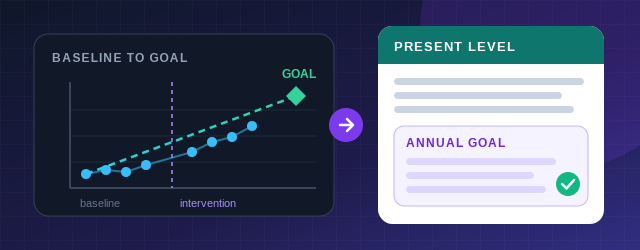
Plan
Intervention Studio
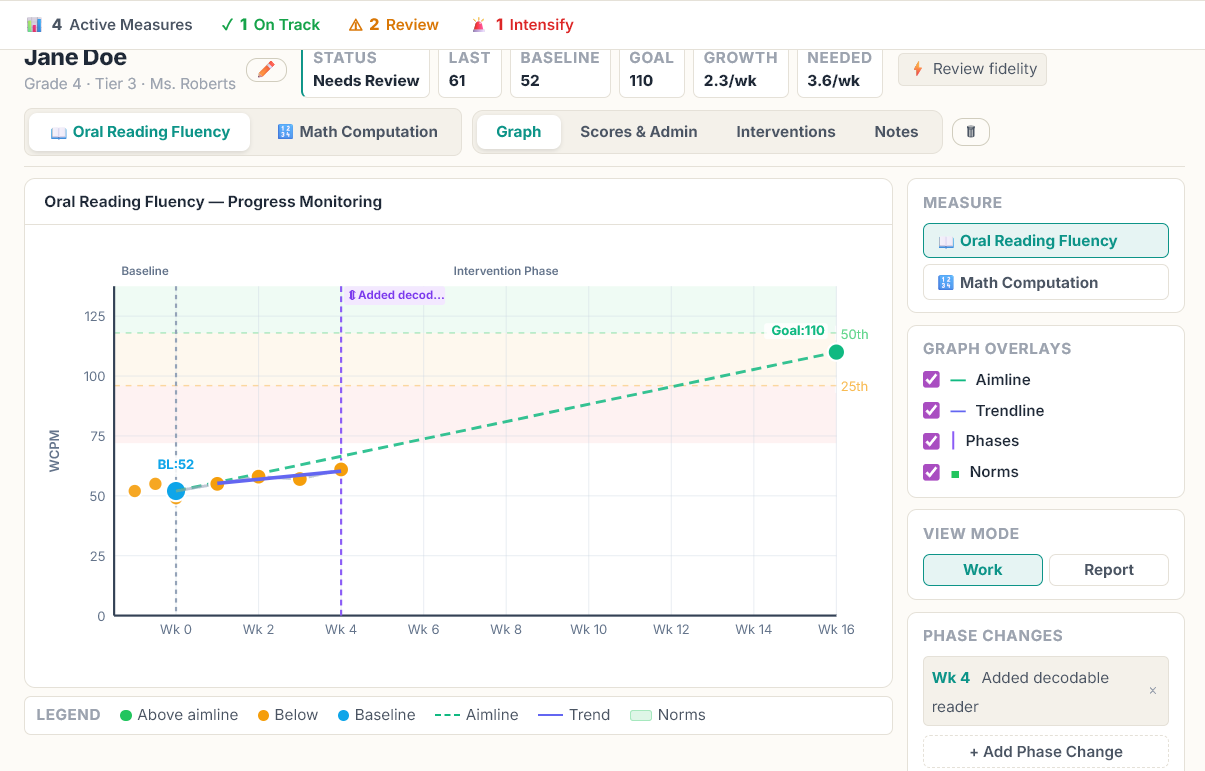
Plan an intervention, log what was delivered, and track progress toward the goal.
Every tool here started as a problem on a real campus.
Plan interventions, monitor progress, support behavior, and bring useful data to team decisions. Practical tools and IDEA resources built by a school psychologist who spent more than a decade teaching.

Built for teachers, interventionists, special educators, school psychologists, and administrators. Open one and use it today, or connect them: set a goal, pick a probe, track the data, bring it to the meeting, and carry it into an evaluation if one is needed.
Plan an intervention, log what was delivered, and track progress toward the goal.
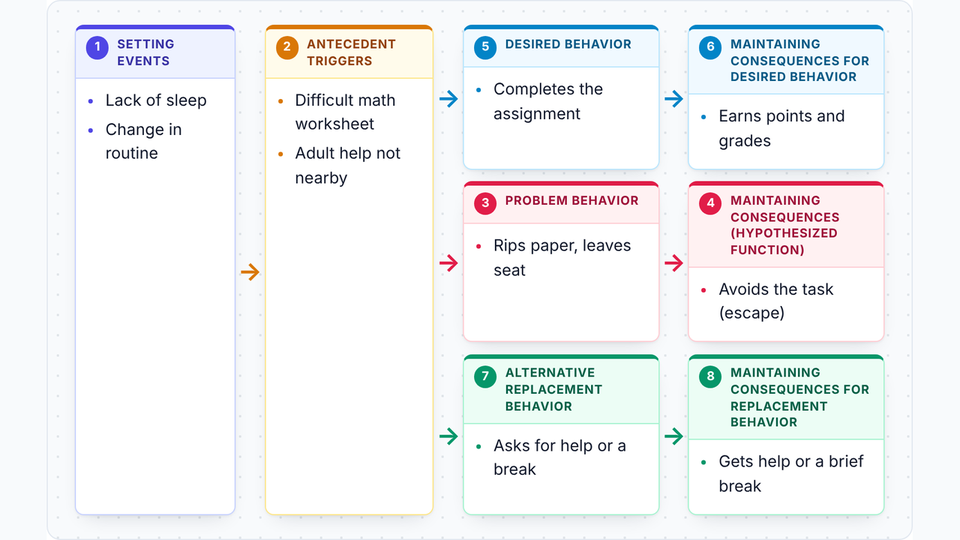
Map what sets off and maintains a behavior, then turn the plan into a daily point card the student helps keep.
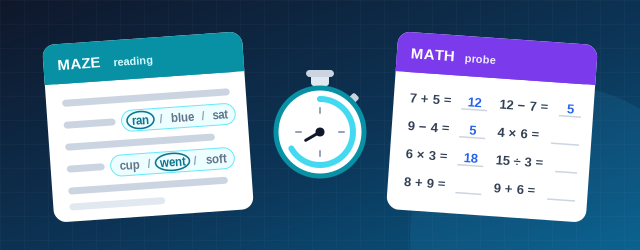
Print a reading comprehension probe from the library, or from your own passage.
Print math probes for practice, skill checks, or progress monitoring.
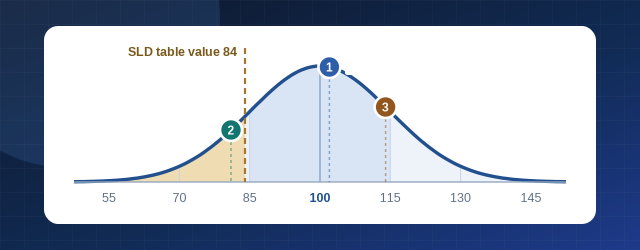
Most IDEA questions show up in ordinary meetings: Is an evaluation warranted? What information do we already have, and what else do we need? What has to be ruled out, and how do we show we did it?
These resources walk through those decisions in plain language, say what the regulations require, and mark clearly where something is good practice rather than a requirement.
Short recordings, one tool at a time. Each demo links to the tool it shows.
Find score interpretation tools, report language, goal resources, and REDAssist in one place.
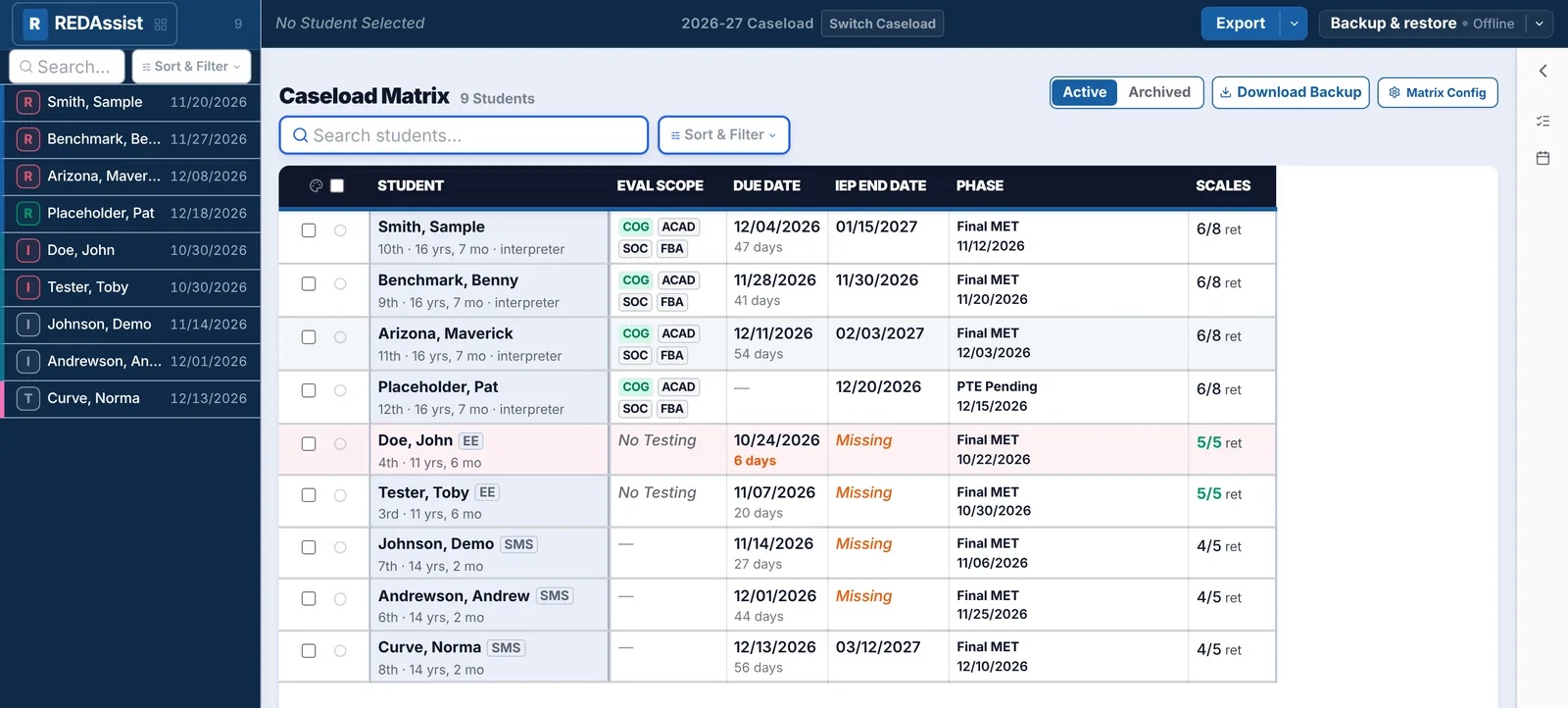
See where every evaluation stands: scope, evaluation deadlines and remaining days, phase, eligibility, prior written notice, rating scales, related services. Drafting works from the template library.
The free tools cover the tasks. Training and consulting are for the process around them: agreeing on what to measure, who collects it, how fidelity gets documented, and how the team uses the data to make a decision it can explain later. When a student's next step is an evaluation, the same data carries forward.
One real intervention. Your team agrees on what to measure, who collects it, and how the next meeting ends with a decision. Your team keeps everything.
Campus pilot details →Scoped to the problem your team actually has: intervention systems, behavior support, team processes, or evaluation practice.
How consulting works →Data to Decisions, a cohort course, begins January 2027. Custom sessions are built around your own referral and screening data.
See the PD catalog →
I'm Andrew Horvath, Ed.S., NCSP, a practicing Arizona school psychologist. Before that I spent more than a decade in classrooms, kindergarten to middle school science, and I've written curriculum for digital learning platforms. I completed my Education Specialist degree in school psychology at Northern Arizona University. Everything on this site exists because a team I was on needed it. When your team gets stuck, I've usually been in that exact chair.
Meet Andrew →Presence is not access. A first post on fidelity, relationships, and what equitable access to the general education curriculum actually demands of us.
Read the post →